

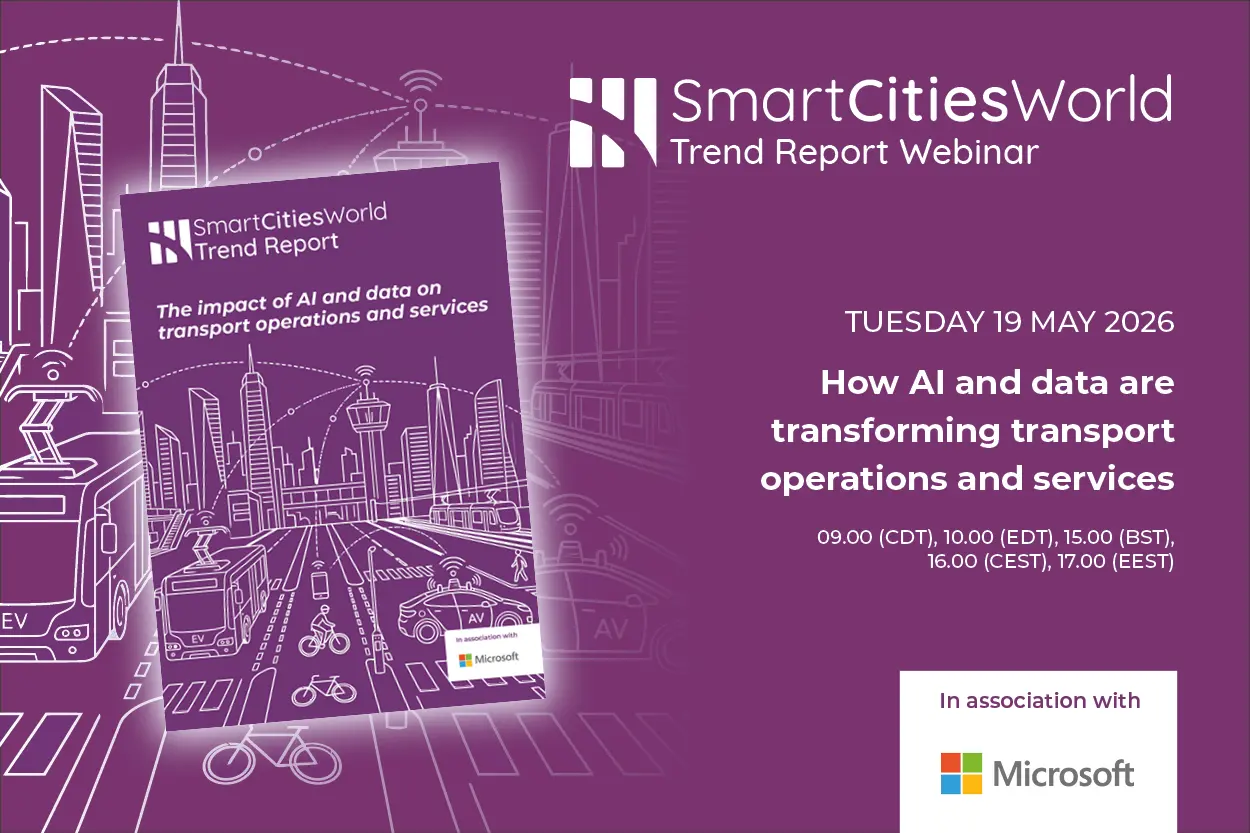
The convergence of artificial intelligence, big data, and connected infrastructure is transforming urban transport operations and services at an unprecedented pace. Cities worldwide are deploying AI-powered digital twins, smart sensor networks, and data analytics platforms to optimize traffic flow, reduce emissions, improve safety, and enhance the overall commuter experience. This shift is not merely technological but represents a fundamental change in how urban mobility systems are designed, managed, and evolved.
The Rise of Digital Twins in Urban Transport
One of the most transformative technologies in this space is the digital twin—a virtual replica of physical assets, systems, or processes that can be used for simulation, analysis, and control. In transport, cities are creating digital twins of entire road networks, public transit systems, and even individual intersections. These models ingest real-time data from sensors, cameras, GPS devices, and IoT nodes to mirror current conditions and predict future states.
For example, a city can simulate the impact of a major event—like a concert or a marathon—on traffic patterns before it happens. Traffic managers can then adjust signal timings, reroute buses, or deploy additional resources proactively. Digital twins also enable what-if scenarios for infrastructure investments, such as whether adding a bike lane will reduce congestion or how a new subway line will affect ridership.
The integration of AI elevates digital twins from static models to intelligent systems that learn and adapt. Machine learning algorithms identify patterns, detect anomalies, and recommend optimal strategies. Over time, the digital twin becomes a decision-support tool that helps city officials make data-driven choices with greater confidence.
AI-Powered Sensor Networks and Real-Time Monitoring
Beyond digital twins, AI is embedded in the physical fabric of transport infrastructure. Smart sensor networks—including radar, LiDAR, thermal cameras, and environmental monitors—collect vast amounts of data on vehicle movements, pedestrian activity, air quality, noise levels, and weather conditions. Edge computing processes this data locally, reducing latency and bandwidth demands, while AI models analyze the streams to detect incidents, predict congestion, or identify maintenance needs.
For instance, a smart junction equipped with AI cameras can distinguish between pedestrians, cyclists, cars, and emergency vehicles. It can then adjust traffic lights in real time to prioritize safety and efficiency. Similarly, AI systems are being used to monitor bridge and tunnel health by analyzing vibration patterns, corrosion data, and structural strains, enabling predictive maintenance that prevents costly failures.
In the realm of indoor transport hubs—such as airports, train stations, and metro systems—AI-driven sensor networks improve situational awareness. They can detect unattended luggage, crowd surges, or environmental hazards like smoke or gas leaks. Early detection allows operators to respond swiftly, enhancing passenger safety and operational continuity.
Case Study: Malaysia's AI-Powered Urban Innovation
Malaysia is emerging as a leader in AI-driven urban innovation in Southeast Asia. The country hosted the first Southeast Asian Smart City Expo in Kuala Lumpur, showcasing projects that integrate AI, IoT, and data analytics into transport and city management. Initiatives include intelligent traffic management systems that reduce congestion by up to 30%, AI-optimized bus routes that adapt to passenger demand, and integrated multi-modal ticketing platforms that simplify travel across different transport modes.
Malaysia's approach emphasizes collaboration between government, industry, and academia. The government has established smart city testbeds to pilot new technologies, while universities contribute research on AI algorithms for urban mobility. This ecosystem has attracted global technology partners, further accelerating innovation.
The success of these initiatives demonstrates that AI and data are not just tools for wealthy cities; they can be adapted to the specific challenges and resources of developing economies. Malaysia's experience offers valuable lessons for other nations seeking to leapfrog traditional infrastructure hurdles through digital transformation.
Sunderland: Building a Resilient Smart City from the Ground Up
In the United Kingdom, Sunderland is repositioning itself as a leading smart city. The city has invested heavily in digital infrastructure, including a full-fibre broadband network and an IoT platform that connects sensors across the urban landscape. A key focus area is transport: Sunderland is using AI to optimize its bus network, reduce idle times at traffic lights, and encourage active travel through data-driven campaigns.
Sunderland also prioritizes low-carbon innovation. By integrating smart transport systems with renewable energy grids and electric vehicle charging networks, the city aims to reduce its carbon footprint while improving mobility. The data gathered from transport sensors also feeds into broader urban planning decisions, helping officials understand how changes in one area affect others.
The Sunderland City Profile highlights how digital twins are being used to simulate different policy scenarios. For example, the city modeled the impact of introducing a congestion charge, weighing potential reductions in traffic against economic impacts on local businesses. Such evidence-based policymaking is central to Sunderland's approach to resilience and sustainability.
Dublin's Innovation in Urban Mobility
Dublin provides another compelling example of digital transformation in transport. The Irish capital has launched several digital twin projects to improve traffic flow and reduce congestion. By creating a virtual model of the city center, planners can test changes to road layouts, cycle paths, and pedestrian zones before implementing them physically. This has led to more efficient use of space and better outcomes for all road users.
Dublin is also using AI to manage its traffic signal network. Adaptive signal control systems adjust timings based on real-time demand, reducing wait times and emissions. The city's data platform integrates information from public transport operators, taxis, bike-sharing schemes, and private mobility apps, enabling a holistic view of urban mobility. This data is shared with researchers and startups to foster innovation in mobility-as-a-service and last-mile solutions.
Economic growth is closely tied to transport efficiency. Dublin's innovations have not only improved commuter experiences but also attracted businesses that value a well-connected, low-congestion environment. The city's profile as a smart city is helping it compete globally for investment and talent.
AI Applications in Urban Infrastructure: Expert Insights
Gareth Tang, President of Urban Solutions at ST Engineering, offers a forward-looking perspective on how urban AI applications are evolving. He notes that AI is already making significant impacts in areas like predictive maintenance of transport assets, dynamic routing of emergency vehicles, and automated incident detection. However, the next wave of AI in transport will involve more sophisticated decision-making, such as coordinating multiple modes of transport in real time to optimize overall system performance.
Tang emphasizes the importance of data quality and interoperability. AI models are only as good as the data they are trained on, and cities must invest in robust data governance frameworks. This includes standardizing data formats, ensuring privacy and security, and establishing clear protocols for data sharing between public and private entities. Without this foundational work, AI cannot reach its full potential in transport.
Another expert, Youssef Nadiri from PNY Technologies, discusses the concept of sovereign AI—where cities deploy their own AI infrastructure to maintain control over data and decision-making. This is particularly relevant for transport systems that are critical to national security and public safety. Sovereign AI allows cities to tailor algorithms to local conditions and avoid dependency on external providers.
Urban Exchange: Lessons from Quezon City
Resilience is a key theme in modern smart city planning, as highlighted by an Urban Exchange episode featuring Quezon City. Following unexpected extreme rainfall that caused severe flooding, the city implemented AI-powered early warning systems for flood risks. These systems combine weather forecasts, river gauge data, and drainage sensor information to provide real-time alerts to residents and emergency services.
The experience underscores the value of data in building resilience. AI models can predict flood extents hours in advance, allowing authorities to evacuate vulnerable areas and deploy resources effectively. Quezon City's approach integrates transport infrastructure into the resilience strategy: emergency routes are prioritized for clearing, and public transport is redirected to avoid flooded zones. This holistic view—where transport is part of a larger urban system—is essential for adapting to climate change.
Preparing for AI: The Data Groundwork
Before AI can transform transport operations, cities must lay the groundwork by collecting, cleaning, and organizing data. An on-demand webinar with Sunderland examined this preparatory phase. The city discovered that many legacy systems produce inconsistent or siloed data that cannot be easily integrated. Overcoming this requires investment in data management platforms, standard operating procedures, and staff training.
Sunderland's experience is common: even the most advanced AI cannot compensate for poor data. Cities must prioritize data maturity, moving from isolated datasets to connected data ecosystems. This includes implementing data lakes, open data portals, and APIs that enable seamless sharing across departments and with external partners.
Once the data foundation is solid, AI can be applied in stages. Initial projects may focus on low-risk, high-visibility applications like traffic signal optimization. As confidence grows, cities can tackle more complex challenges such as integrated demand-responsive transport or autonomous vehicle integration.
Smart Sensor Networks for Indoor Safety
Transport operations extend beyond streets to indoor environments like terminals, depots, and control centers. Smart sensor networks that incorporate AI are improving indoor safety by detecting risks early. For example, sensors can monitor air quality, temperature, and occupancy to identify fire hazards or ventilation issues. In a busy train station, AI can analyze crowd movements to spot potential bottlenecks or safety threats and alert staff.
These systems contribute to healthier, more secure, and sustainable buildings. They also reduce operational costs by enabling predictive maintenance of HVAC, lighting, and security systems. Transport authorities are increasingly adopting such technologies to protect both passengers and employees.
Upcoming Industry Events and Resources
The field of AI-driven urban transport is evolving rapidly, and several events and resources are helping professionals stay informed. The SmartCitiesWorld Summit 2026, scheduled during London Climate Action Week, will bring together urban leaders to explore the intersection of climate resilience, digital transformation, and transport. Discussions will focus on translating strategy into practical action.
Additionally, on-demand webinars such as the Trend Report Panel Discussion on operating smarter with digital twins and AI offer deep dives into real-world implementations. The SmartCitiesWorld podcasts and newsletters provide regular updates, featuring interviews with experts and case studies from cities around the globe. These resources are invaluable for anyone seeking to understand how AI and data are reshaping transport operations and services.
As cities continue to face pressures from population growth, climate change, and aging infrastructure, the adoption of AI and data-driven solutions is no longer optional—it is imperative. The examples from Malaysia, Sunderland, Dublin, and Quezon City demonstrate that tangible benefits are achievable today. By investing in digital twins, smart sensors, and data infrastructure, urban transport systems can become more efficient, resilient, and sustainable, ultimately improving the quality of life for millions of people.
Source: Smart Cities World News