

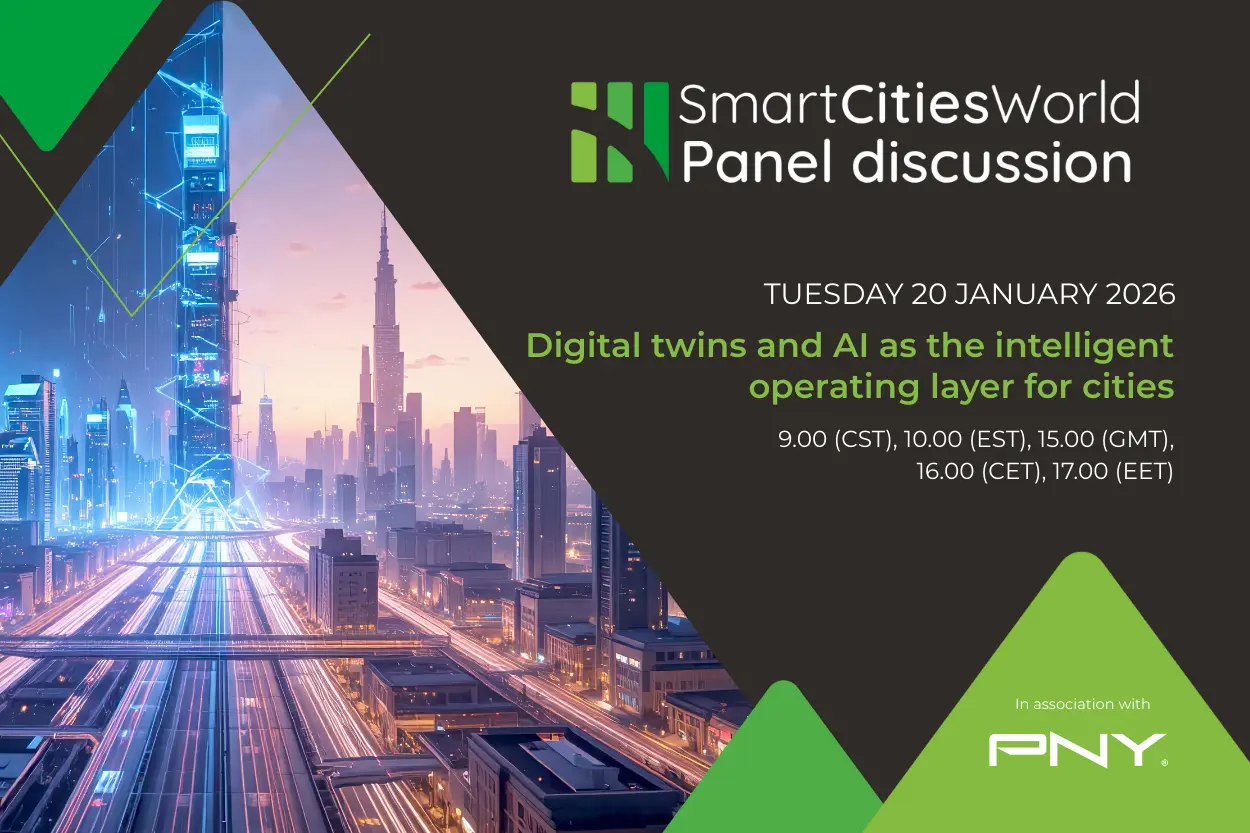
Urban centers worldwide are under mounting pressure from climate change, aging infrastructure, and rapid digitalization. To navigate these challenges, cities are adopting an intelligent operating layer powered by digital twins and artificial intelligence. This convergence enables real-time monitoring, predictive analytics, and automated decision-making, transforming how urban environments are managed and improved.
Understanding Digital Twins in an Urban Context
A digital twin is a virtual replica of a physical asset, system, or process. In cities, digital twins integrate data from buildings, transportation networks, energy grids, water systems, and public services. By creating a dynamic, data-driven simulation, city officials can visualize current conditions, test future scenarios, and optimize operations without disrupting real-world activities.
AI enhances these digital twins by adding layers of intelligence: machine learning algorithms analyze historical patterns to predict future events, such as traffic congestion or energy demand. Natural language processing can interpret unstructured data from social media or citizen reports. Computer vision analyzes video feeds for anomalies. Together, AI and digital twins form a closed-loop system that continuously learns and adapts.
Key Benefits for Sustainability and Resilience
One of the most compelling applications is improving sustainability. AI-powered digital twins help cities reduce carbon emissions by optimizing energy use in buildings, managing waste collection routes, and integrating renewable energy sources. For example, a digital twin of a district heating system can adjust temperatures based on weather forecasts and occupancy patterns, cutting energy waste.
Resilience is another critical area. Cities face increased risks from extreme weather events like floods, heatwaves, and storms. Digital twins enable real-time risk assessment and emergency response. By simulating flood scenarios, planners can identify vulnerable areas and design better drainage or green infrastructure. During an actual crisis, the twin provides situational awareness, helping first responders allocate resources effectively.
Operational performance also sees significant gains. Traffic management systems using digital twins can reduce congestion by adjusting signal timings based on live conditions. Water utilities detect leaks early. Building managers optimize HVAC systems for comfort and efficiency. The cumulative effect is a more responsive, cost-effective, and livable city.
Global Case Studies of Urban AI and Digital Twin Adoption
Several cities and regions are already leading the way. Malaysia is positioning itself as a hub for AI-powered urban innovation, exemplified by the first Southeast Asian Smart City Expo in Kuala Lumpur. This event showcases projects that integrate digital twins with AI for smart mobility, waste management, and public safety.
Sunderland in the UK is repositioning itself as a smart city through digital infrastructure and low-carbon innovation. The city has developed a digital twin that models everything from energy use to transport flows. This tool supports economic regeneration by attracting green businesses and creating jobs in tech and sustainability sectors.
Dublin, Ireland, is also making strides. The city has implemented multiple digital twin projects, including one that simulates traffic patterns to reduce journey times and emissions. Dublin’s digital twin also supports urban planning, allowing officials to test the impact of new developments before construction begins. These initiatives are part of a broader strategy to improve services and experiences for communities.
In the Asia-Pacific, Quezon City in the Philippines is building resilience against extreme rainfall. Following unexpected downpours, the city deployed digital twin technology to model flood risks and coordinate response efforts. This system integrates weather data, drainage infrastructure, and real-time sensor inputs, enabling faster, more informed decisions.
The Data Groundwork: Preparing for AI
Before AI can power a digital twin, cities must establish a solid data foundation. This involves collecting, cleaning, and integrating data from disparate sources—sensors, IoT devices, GIS maps, utility records, and citizen feedback. Data standardization and interoperability are crucial. Without high-quality, accessible data, even the most advanced AI models will produce unreliable insights.
Sunderland’s journey illustrates this. The city has invested in a comprehensive data platform that aggregates information across departments. This groundwork enables the digital twin to function effectively, providing a single source of truth for decision-makers. The lesson for other cities: invest in data infrastructure as a prerequisite for AI-driven transformation.
The Role of Smart Sensor Networks
Smart sensors are the eyes and ears of a digital twin. They capture real-time data on temperature, air quality, humidity, vibration, occupancy, and more. In buildings, sensor networks improve indoor safety by detecting risks like gas leaks, fire, or structural stress early. They also support healthier environments by monitoring ventilation and CO2 levels.
Beyond buildings, sensors embedded in roads, bridges, and pipelines provide continuous structural health monitoring. This predictive approach allows cities to perform maintenance before failures occur, extending asset life and saving resources. Combined with AI analytics, sensor data feeds into the digital twin, creating a feedback loop that drives continuous improvement.
Urban AI Applications: Current and Future
Urban AI applications are evolving rapidly. Gareth Tang, President of Urban Solutions at ST Engineering, has highlighted projects where AI already makes significant impact. Examples include AI-powered traffic signal control that reduces congestion by 20%, and predictive maintenance for rail systems that cuts downtime. Future applications will integrate generative AI to simulate citizen behavior, optimize public space design, and personalize city services.
Another emerging area is sovereign AI for cities—tailored AI systems that are built and controlled locally, respecting data sovereignty and cultural contexts. This approach ensures that AI solutions align with local policies and values, building trust and inclusivity.
Trust and Inclusivity in AI for Government Services
As cities adopt AI for personalized government services, building trust is paramount. Transparency about how data is used, ensuring fairness in algorithmic decision-making, and involving communities in design are essential. Inclusive AI means that services are accessible to all, regardless of digital literacy or language. Cities must also address ethical concerns, privacy, and bias. Examples from early adopters show that citizen engagement and co-creation lead to better outcomes.
The Path Forward: Integrating Digital Twins into Urban Governance
To fully realize the potential of digital twins and AI, cities must embed these tools into governance structures. This requires cross-department collaboration, partnerships with technology providers, academic institutions, and community organizations. Funding models are needed that support long-term maintenance and scaling.
The SmartCitiesWorld Summit 2026, taking place during London Climate Action Week, will bring together urban leaders to explore these intersections. Discussions will focus on translating strategy into practical action: how to move from pilot projects to city-wide adoption, measure impact, and share best practices. The summit will highlight innovations such as AI-powered digital twins that serve as the intelligent operating layer for entire urban ecosystems.
In summary, the integration of AI and digital twins represents a paradigm shift in city management. By providing real-time insights, predictive capabilities, and automated responses, this intelligent operating layer empowers cities to become more sustainable, resilient, and efficient. Global examples from Malaysia, Sunderland, Dublin, and Quezon City demonstrate tangible benefits. As data foundations strengthen and sensor networks expand, the potential for transformation grows. Cities that embrace this technology today are better prepared for the challenges and opportunities of tomorrow.
Source: Smart Cities World News