

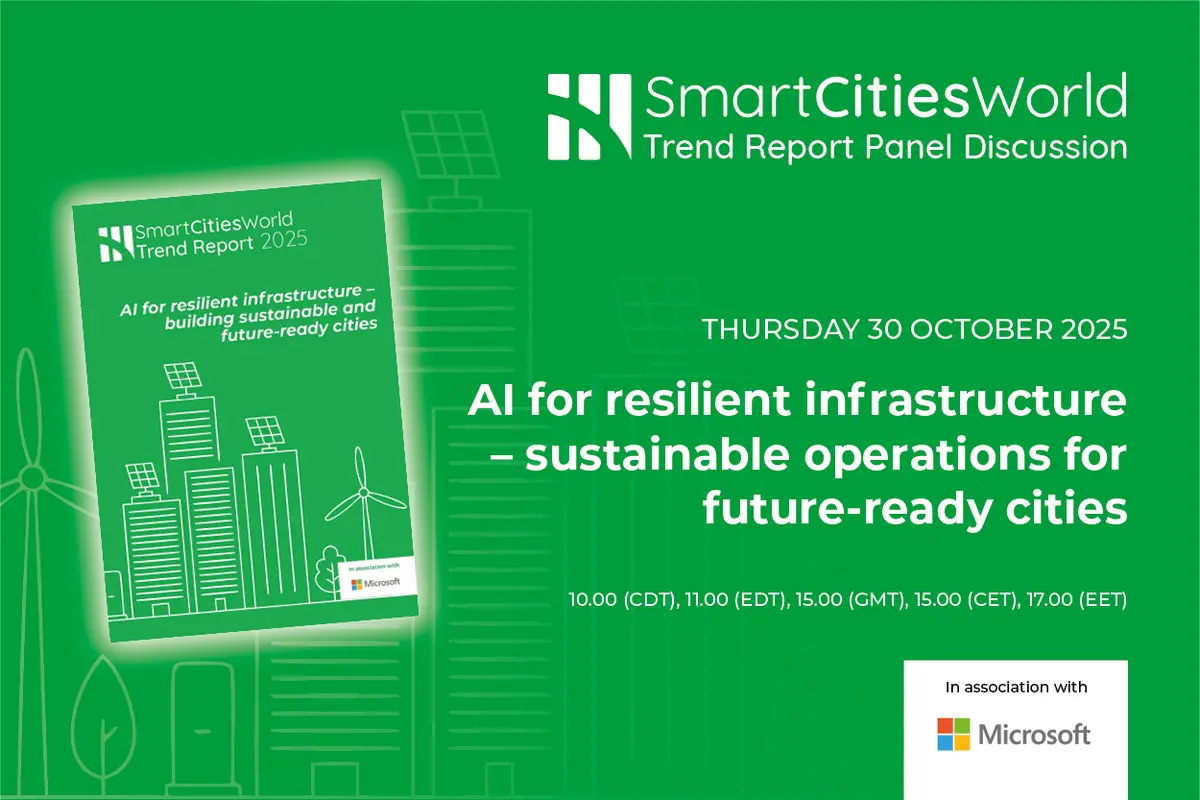
The convergence of artificial intelligence, digital twins, and connected urban infrastructure is reshaping how cities approach sustainability, resilience, and operational efficiency. As urban populations grow and climate pressures intensify, local governments and technology consortia are turning to data-driven solutions to future-proof their communities. This article explores key insights from a recent expert panel discussion, highlighting real-world implementations in Kansas City, Greater Phoenix, Sunderland, Dublin, and beyond, while examining the role of edge computing, smart lighting, and collaborative governance.
The Rise of AI-Powered Digital Twins in Urban Infrastructure
Digital twins—virtual replicas of physical assets, systems, or processes—are increasingly central to smart city strategies. When combined with AI, these models can simulate scenarios, predict maintenance needs, and optimize resource allocation in real time. For cities, this means more efficient energy use, reduced traffic congestion, improved public safety, and lower carbon footprints. The panel emphasized that digital twins are not just about visualization but about actionable intelligence. By integrating data from sensors, IoT devices, and historical records, AI algorithms can identify patterns humans might miss, enabling proactive decision-making rather than reactive crisis management.
For example, a digital twin of a city's water network can anticipate pipe failures based on pressure changes and corrosion data, allowing crews to intervene before a burst occurs. Similarly, an AI-driven digital twin of a transportation grid can adjust traffic light timing in response to real-time congestion, reducing idle times and emissions. The scalability of these tools means they can be applied to a single building or an entire metropolitan area, making them versatile for cities of all sizes.
Kansas City Streetcar: A Catalyst for Urban Renewal
Tom Gerend, executive director of the Kansas City Streetcar Authority, shared a compelling case study of how the return of rail transit has reconnected downtown Kansas City, unlocked riverfront development, and reshaped the city's growth narrative. The streetcar system, which began service in 2016, now carries millions of passengers annually and has spurred over $3 billion in private investment along its 2.2-mile route. Gerend explained that the streetcar is more than a transportation project—it is a tool for equitable development and community revitalization.
The success of the Kansas City Streetcar is rooted in its integration with broader city planning and data-driven operations. Real-time ridership data is used to adjust service frequency, while predictive analytics help maintain the vehicles and track infrastructure. Gerend highlighted how the streetcar authority collaborated with local businesses, residents, and city agencies to ensure the project met community needs. This inclusive approach has helped avoid the displacement often associated with transit-oriented development, making the streetcar a model for other cities seeking sustainable growth.
Beyond mobility, the streetcar's impact on urban form is profound. It has catalyzed dense, mixed-use development along the corridor, reducing dependence on cars and lowering per capita emissions. Gerend noted that the streetcar has also improved pedestrian safety and increased foot traffic for local shops, reinforcing the link between public transit and economic vitality. The Kansas City experience underscores how a single infrastructure investment, when paired with AI and community engagement, can trigger a cascade of resilience benefits.
Edge and Cloud Computing: The Hybrid Foundation for Smart Cities
Chris Lucero from The Connective, Greater Phoenix's regional smart city consortium, explored how a hybrid of edge and cloud computing is transforming smart cities. He argued that while cloud computing offers centralized power and scalability, edge computing provides the low latency and data sovereignty required for time-sensitive applications like traffic management, public safety, and autonomous vehicles. The real magic, Lucero said, lies in a seamless hybrid architecture where data is processed at the edge for immediate decisions and aggregated in the cloud for long-term analysis and machine learning model training.
Greater Phoenix's regional approach is noteworthy because it involves multiple municipalities collaborating on shared infrastructure and data standards. The consortium has deployed edge nodes at intersections, streetlights, and public facilities to collect and process data locally. This reduces bandwidth costs and ensures critical functions continue even if cloud connectivity is lost. Lucero emphasized that cities must plan for edge-cloud interoperability from the start, avoiding vendor lock-in and fostering an ecosystem of open standards. He also stressed the importance of cybersecurity, as each edge device is a potential attack surface. By embedding security at the hardware and software levels, cities can build trust in their digital infrastructure.
Sunderland: Repositioning as a Leading Smart City
As detailed in a recent SmartCitiesWorld City Profile, Sunderland in the UK is systematically repositioning itself through digital infrastructure and low-carbon innovation. The city has invested in a high-speed fiber network, an IoT sensor platform, and a data hub that centralizes information from across municipal services. One flagship project is the deployment of smart streetlights that adjust brightness based on pedestrian and traffic activity, reducing energy consumption by up to 60%. Sunderland is also piloting a district heating system powered by waste heat from data centers, exemplifying the circular economy principles that underpin its resilience strategy.
The city's approach is guided by a clear vision: to build a future-focused economy that attracts tech talent, startups, and established companies. Sunderland's smart city initiatives are closely tied to its regeneration plans for the Riverside area, where former industrial sites are being converted into innovation hubs and green spaces. The city government has created a "digital twin" of the city center to test zoning changes and infrastructure upgrades before committing resources. Sunderland's success demonstrates that even post-industrial cities can reinvent themselves by leveraging data and partnerships with academia and private sector.
Dublin: Innovating for Enhanced Community Services
Dublin's City Profile reveals a city that is using digital twin projects, traffic reduction measures, and economic growth initiatives to improve experiences and services for its communities. The Irish capital has developed a comprehensive digital twin of its urban environment, integrating datasets from building permits, public transport, energy grids, and environmental sensors. This digital model enables city planners to simulate the impact of new developments on traffic flow, air quality, and noise levels, allowing for more informed decision-making.
One notable application is in traffic management. Dublin has deployed an AI-based system that predicts congestion and adjusts signal timings dynamically, reducing average journey times by 12% during peak hours. The system also prioritizes buses and emergency vehicles, improving public transport reliability. In parallel, Dublin's "Smart Docklands" initiative tests autonomous vehicles and drone deliveries in a controlled area, gathering data that will shape future regulations and urban design. The city's commitment to open data portals ensures that startups and researchers can build applications that further enhance civic life. Dublin's efforts underscore that innovation is not an end in itself but a means to create more liveable, inclusive communities.
Smart Lighting: Securing the Urban Backbone
The "Cities Thriving on Lighting" episodes delve into how global cities are approaching smart lighting and related cybersecurity risks. Streetlights are being transformed from passive illuminators into active nodes of a city’s digital network, hosting sensors, cameras, Wi-Fi access points, and environmental monitors. The first episode focuses on cybersecurity: as streetlights become connected, they become entry points for cyberattacks. Experts recommend that cities conduct regular vulnerability assessments, use hardware-based security modules, and implement network segmentation to isolate lighting controls from critical systems.
The second episode explores the technology and considerations behind turning existing streetlight networks into secure, interoperable, and future-proof infrastructure. Key factors include choosing open standards like DALI or Zhaga to ensure compatibility across vendors, planning for power and data line integration, and designing for easy upgrades as technology evolves. Cities are also leveraging smart lighting for multiple services—such as gunshot detection, air quality monitoring, and even electric vehicle charging—creating a rapidly amortizing investment. The panel highlighted that a coordinated, citywide strategy for lighting is essential to avoid fragmented, insecure silos.
Ecomondo: Shaping Healthier, Sustainable Cities
Ecomondo, a leading trade fair for green technologies, discussed the priorities shaping healthier, more sustainable cities. The event provides a valuable platform for sharing practical solutions and building new connections across sectors. In panel sessions, experts emphasized the need for circular approaches to materials, energy, and water—moving beyond efficiency to true regenerative design. Technologies such as smart grids, green roofs, and urban vertical farming are being scaled up with support from AI-driven monitoring systems that optimize resource use. Ecomondo also stressed the importance of policy frameworks that reward innovation and collaboration, enabling cities to learn from each other's successes and failures. The message is clear: sustainability is not a luxury but a necessity, and digital tools are indispensable for achieving it at scale.
ICLEI: Cities as Essential Partners in Global Agendas
Matthew Bach, regional director for ICLEI - Local Governments for Sustainability, reinforced that cities are not merely implementing global agendas—they are essential partners in shaping them. ICLEI works with over 2,500 local and regional governments worldwide to advance sustainable urban development. Bach highlighted that cities are often at the forefront of climate action, biodiversity protection, and social inclusion, setting ambitious targets that exceed national commitments. The challenge, he noted, is to ensure that cities have access to the data, technology, and financing needed to turn these ambitions into reality.
ICLEI’s network facilitates peer learning and provides tools for measuring progress, such as the Green Climate Cities framework. Smart city technologies can help cities track their greenhouse gas emissions, monitor air and water quality, and engage citizens in decision-making. However, Bach cautioned that technology must be deployed equitably, avoiding digital divides that exacerbate existing inequalities. He called for a human-centered approach where AI and data serve the public good, and where local voices inform the design of resilience strategies. ICLEI’s work exemplifies how global networks can amplify local innovations, creating a virtuous cycle of knowledge sharing and capacity building.
The panel concluded that the future of cities depends on ambitious, integrated strategies that combine AI, digital twins, and connected infrastructure with strong governance and community engagement. From Kansas City’s streetcar to Sunderland’s low-carbon district, the evidence shows that incremental improvements, when coordinated across sectors, can yield transformative outcomes. As cities continue to grow and face new challenges, the lessons from these pioneers will guide others on the path toward genuine sustainability and resilience.
Source: Smart Cities World News