

Most people wouldn’t like being constantly judged for their driving skills, even more so if it’s done by an app. Besides the psychological barrier, driving style analysis, also known as “telematics,” raises privacy concerns. But would it change your mind if it could help you lower your vehicle insurance costs, and a Samsung phone helped you do it?
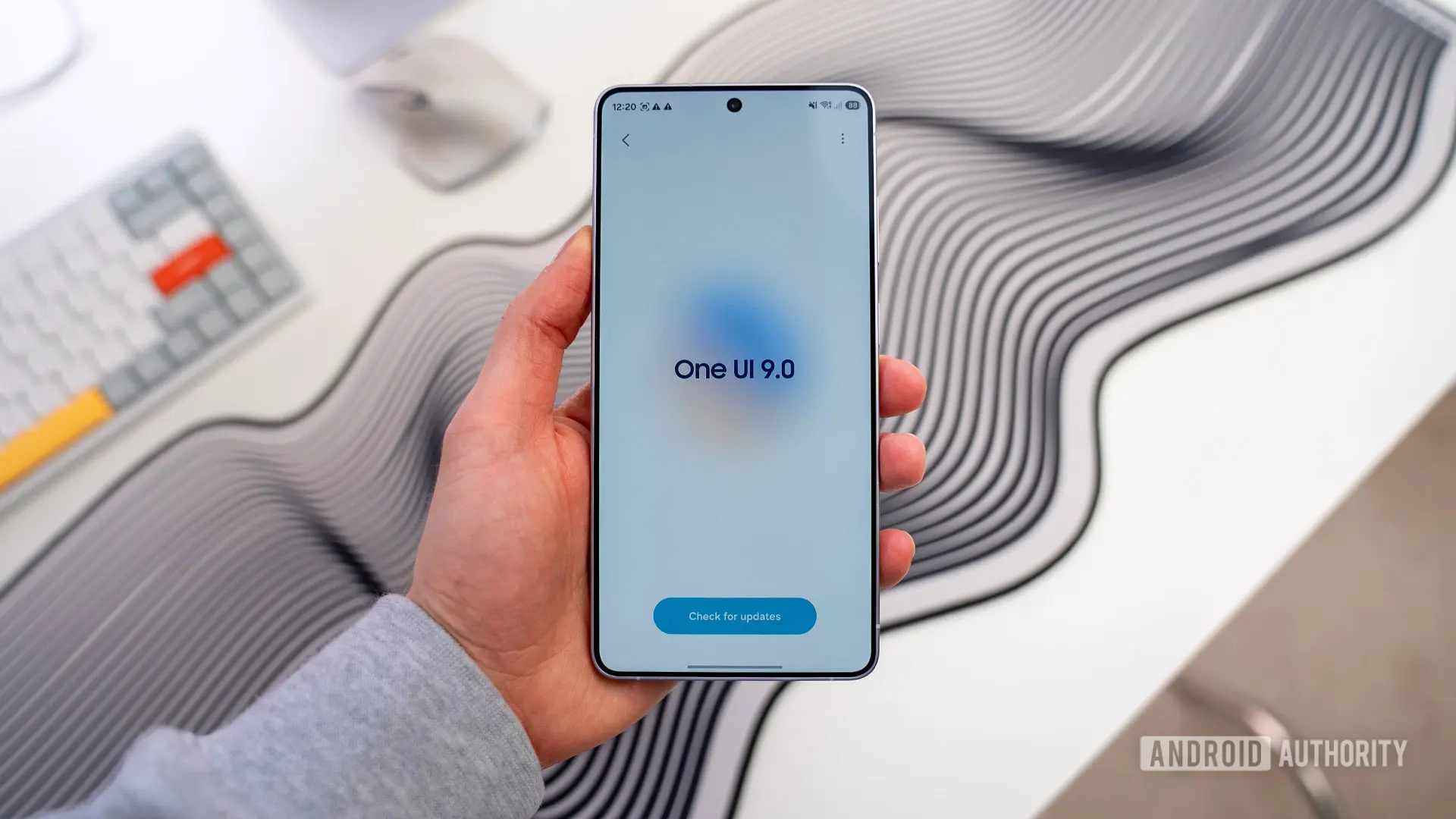
Samsung recently opened up One UI 9 beta for the Galaxy S26 series, and one of the features now coming to devices is Driving Insights. As uncovered earlier this month, Samsung’s Driving Insights uses AI to analyze your driving patterns and offers feedback or suggestions to help you drive more safely or efficiently. Driving Insights can be found under Connected Devices in your phone’s Settings.
Like a slew of OBD port-based devices, Driving Insights relies on your phone’s sensors to determine key metrics, such as your average and top speeds, braking and acceleration patterns, and any instances of jerking the wheel. Based on this data, it offers you daily or weekly summaries decoding your driving style, and these reports could likely be delivered through Now Brief.
While a lot of people understandably may not be comfortable letting AI grade their driving skills, or may have privacy concerns over it, the data could help you lower your car insurance premiums. Several insurers offer discounts based on telematics, or insights about how you drive, though you would need to check if data from a phone qualifies for such programs. Additionally, this could help parents keep track of how their teenagers are driving, as well as owners ensure their chauffeur doesn’t exceed the speed limit or take the car for a spin without their knowledge.
In addition to rating how you drove, the app can also be used to designate a geofencing radius, and you would be alerted if your vehicle moves out of that zone. You can also set Home and Work locations for specific insights.
Driving Insights can be set to turn on automatically when you connect to a vehicle’s head unit via Bluetooth. We assume it should also work with wired Android Auto on your Galaxy S26. We’re already seeing the feature on our devices enrolled in the One UI 9 beta and will be testing it over the next few days. Hopefully, we’ll have some insights, either worth sharing or worth bashing.
Telematics technology has been around for years, primarily used by insurance companies to offer usage-based policies. Traditional telematics devices plug into the OBD-II port of a car, tracking speed, hard braking, and other behaviors. Samsung’s approach is novel because it uses the phone’s built-in sensors—gyroscope, accelerometer, GPS, and even microphone—to gather similar data without additional hardware. This means any Galaxy S26 user can potentially access driving analysis without buying a separate gadget.
The AI component is key. Driving Insights doesn’t just record data; it interprets it. For example, it can differentiate between aggressive driving caused by road conditions and consistent poor habits. The app may suggest routes that are less stressful or provide tips like “ease off the accelerator before curves” to improve fuel efficiency and safety. Over time, the AI learns your driving patterns and can personalize recommendations.
Privacy advocates have raised concerns about constant sensor monitoring. Samsung assures that data is processed on-device using Samsung Knox security, and no driving data is shared with third parties without explicit user consent. However, if users opt to share their driving scores with insurance companies, they must be aware of how that data is used. Some insurers might raise rates for risky drivers, while others reward safe behavior.
The feature is part of a broader trend in mobile operating systems integrating health and lifestyle monitoring. Apple has its own driving detection in iOS for crash detection, but Samsung’s approach is more about proactive improvement. With One UI 9, Samsung is also expanding the Now Brief system, which aggregates daily summaries from various apps. Driving Insights will likely appear there, giving a quick overview of your driving performance each morning.
Geofencing is another useful aspect. Parents can set a perimeter around their home and receive alerts if their teen driver leaves that zone during curfew. Similarly, fleet managers could use this to monitor company vehicles. The Home and Work location settings allow the app to ignore routine commutes when generating reports, focusing only on unusual trips.
The Galaxy S26 series, released earlier this year, features upgraded sensors that improve accuracy for motion detection. The phone’s AI engine, powered by the latest Exynos or Snapdragon chips, handles real-time analysis without draining the battery significantly. Samsung has optimized the power consumption of sensor polling, so users won’t notice a major impact on battery life.
One UI 9 beta testers have reported mixed reactions. Some appreciate the potential for insurance savings, while others find the constant feedback intrusive. The app can be turned off entirely, and data can be deleted at any time. Samsung has also included a “Privacy Dashboard” within the Driving Insights settings to let users see exactly what data is collected and for how long it’s stored.
Looking ahead, Samsung could partner with insurance companies to make telematics data directly applicable for discounts. Similar partnerships exist for other smartphone-based telematics apps like Root Insurance or Snapshot from Progressive. If Samsung integrates with major insurers, the feature could become a significant selling point for the Galaxy S26.
In summary, Driving Insights represents a meaningful step in using smartphone capabilities for real-world applications beyond communication. It blends AI, sensor fusion, and user-centric design to offer a tool that can save money and promote safer roads. While privacy remains a valid concern, the controls provided give users autonomy over their data. As with any new feature, its ultimate value will depend on user adoption and how well it integrates into daily life.
Source: Android Authority News