

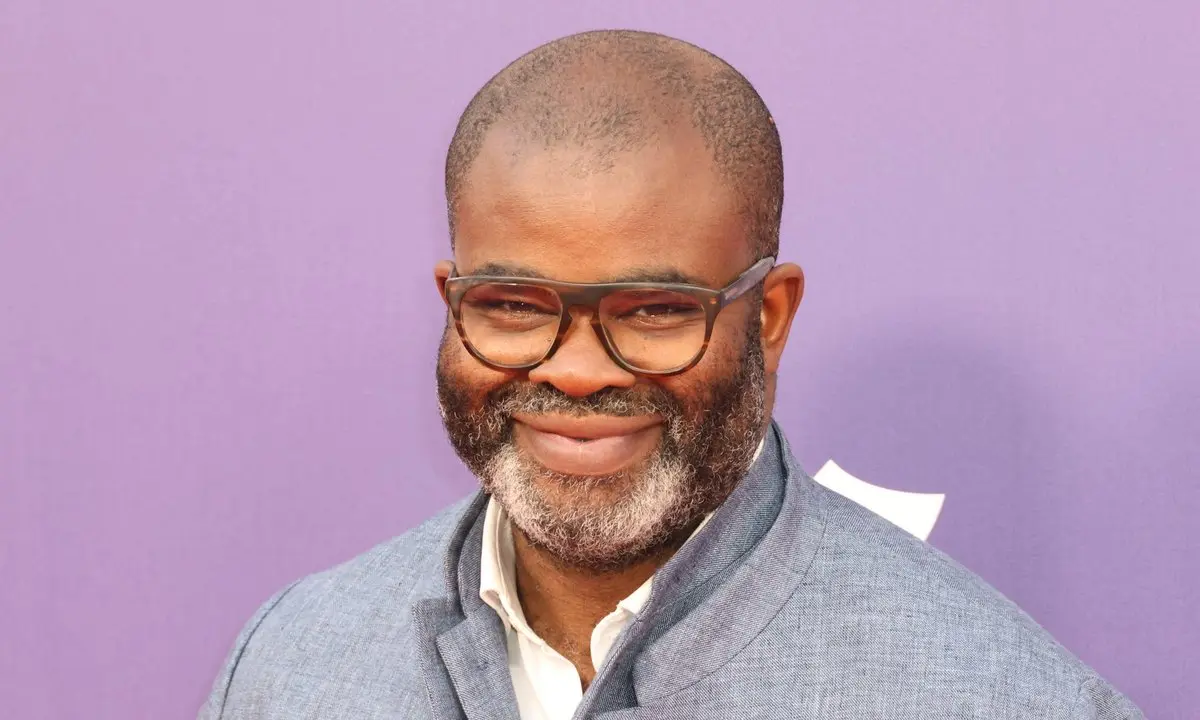
A petition signed by the activist Greta Thunberg and the actor Hugh Bonneville has rallied support for Misan Harriman, the prominent photographer and chair of London's Southbank Centre, who faces what supporters describe as a coordinated smear campaign in the right-wing media. The petition, hosted by the Good Law Project, condemns articles published in outlets such as The Daily Telegraph, Daily Mail, and Daily Express that focused on Harriman's social media comments regarding the Golders Green knife attack on April 29 and the success of the Reform UK party in the local elections on May 7.
The controversy began when Harriman shared and commented on a post by MP Ayoub Khan noting that a third victim, a Muslim man, was stabbed by the same attacker earlier but received far less press coverage. The Daily Telegraph then ran an article disputing Harriman's claim that the stabbing was underreported. Subsequently, Harriman posted a five-minute, 40-second Instagram video reflecting on the rise of Reform UK. In it, he referenced a conversation between Kurt Vonnegut and Susan Sontag about the Holocaust, stating that 10% of any population is cruel, 10% merciful, and 80% persuadable. Right-wing activists and politicians alleged that Harriman was comparing Reform supporters to Nazi sympathisers and equating the election results to the Holocaust—a charge Harriman has firmly denied.
In response, nearly 70,000 people filed complaints to the Independent Press Standards Organisation (IPSO) against the involved newspapers, marking the largest campaign in IPSO's history. The celebrity-backed petition has garnered over 15,000 signatures. Among other high-profile supporters are poet Michael Rosen, who called it a clear case of cancellation; MP Diane Abbott, who praised Harriman as a “highly respected and influential Black man”; and broadcaster Mehdi Hasan, who demanded an apology from The Telegraph for the “shameful smear.” A parliamentary letter sent to Culture Minister Lisa Nandy on May 12 has been signed by more than a dozen UK MPs.
Harriman, in a social media statement, expressed gratitude for the outpouring of support. “I cannot thank everyone individually but please know that this means so much,” he wrote. In a separate statement to the media, he said, “We have reached the point where truth itself is being crushed by the very institutions that are supposed to uphold it. I will never whisper about the oppressed. I stand with truth, I stand by my right to use my voice to help others.”
However, the controversy has also drawn criticism. David Taylor, Labour MP for Hemel Hempstead, told The Daily Telegraph that “antisemitism under the cover of solidarity with the Palestinian cause has been rife within the arts for too long” and suggested that Arts Council England should reconsider funding to the Southbank Centre, and that the Centre should consider removing Harriman from its board. The Southbank Centre, where Harriman has served as chair since 2021, issued a statement distancing itself from his personal views: “The Southbank Centre condemns all forms of anti-Semitism, hatred and discrimination. Mr Harriman’s personal views do not represent those of the organisation.”
The Golders Green attack, in which two Jewish men were stabbed, occurred in an area of London with a large Orthodox Jewish community. The same attacker had earlier stabbed a Muslim man in a separate incident that same day. The stabbings sparked widespread concern and were condemned by community leaders across faiths. The subsequent local elections saw Reform UK, a right-wing populist party led by Nigel Farage, make significant gains, winning dozens of council seats and challenging the dominance of the Conservatives in several areas. This result led to numerous analyses and debates about the state of British politics and the rise of far-right sentiment.
Misan Harriman, a Nigerian-born photographer, rose to prominence for capturing portraits of public figures and social movements. He was appointed chair of the Southbank Centre in 2021, becoming one of the youngest individuals and the first Black person to hold the role. His appointment was widely celebrated as a step towards greater diversity in the leadership of major cultural institutions. He has also been an outspoken advocate for racial justice and climate action, frequently using his social media platforms to amplify underrepresented voices.
The case has reignited debates about the role of public figures in political discourse, the limits of free speech for those in leadership positions, and the media's responsibility in reporting on sensitive issues. The large number of complaints to IPSO suggests significant public concern over the coverage. Holocaust Educational Trust chief executive Karen Pollock had earlier criticised Harriman's video, saying, “How on earth could yesterday’s election results ever be comparable to the Holocaust?” Harriman responded that his comments were taken out of context and that he was merely quoting a philosophical discussion, not making a direct comparison.
Supporters argue that Harriman is being penalised for speaking out against injustice and for drawing attention to the selective reporting of violent incidents. They point out that the third victim, the Muslim man, received far less initial coverage than the Jewish victims, raising questions about media bias. The controversy also touches on ongoing tensions surrounding the Israeli-Palestinian conflict, as Harriman has been a vocal critic of Israel's actions in Gaza and the West Bank.
As the petition continues to gain signatures, the Southbank Centre faces pressure from both sides. Some advocate for Harriman's removal, citing the need for neutrality from charitable bodies. Others defend his right to express personal opinions, especially on matters of social justice. The outcome remains uncertain, but the episode has already become a flashpoint in the broader culture wars, highlighting the deep divisions in British society over race, religion, and political identity.
Source: The Art Newspaper - International art news and events News