

UFC Seattle Disclosed Purse Reveals Major Pay Gaps
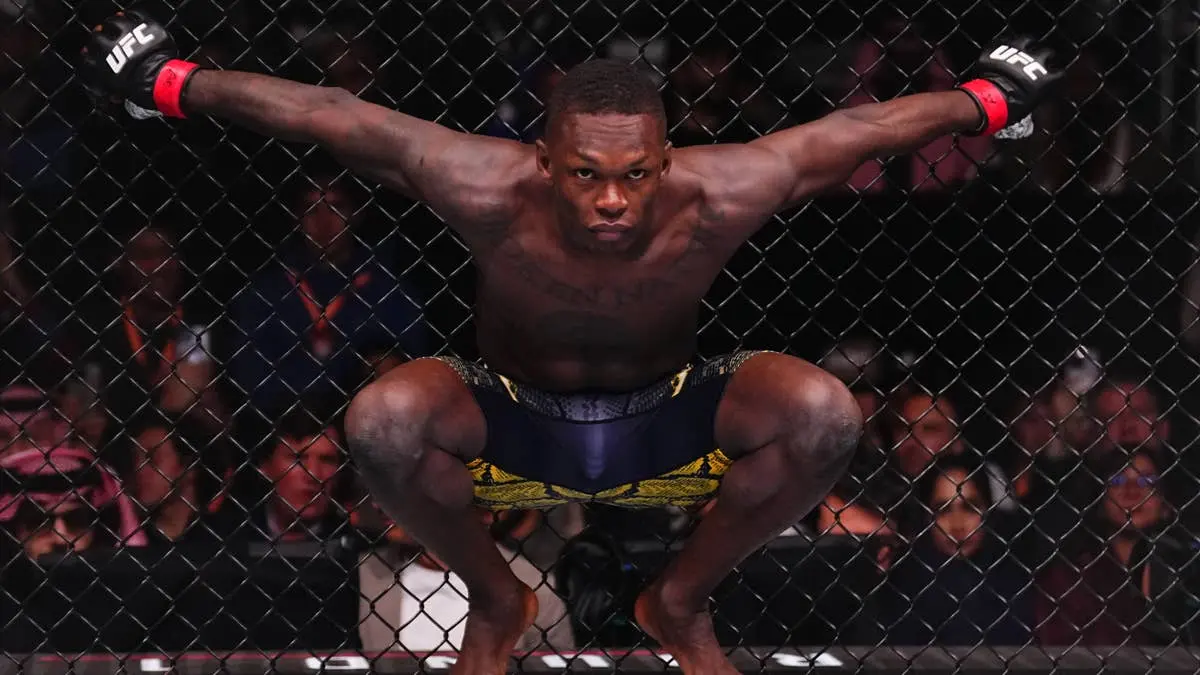
The Washington Department of Licensing recently released the guaranteed salaries from UFC Fight Night 271, which featured Israel Adesanya vs. Joe Pyfer in the main event. Adesanya, a former two-time middleweight champion, earned a disclosed purse of $500,000 despite suffering a second-round TKO loss. Pyfer, the victor, reportedly earned $400,000 for the biggest win of his career. The event, held on March 28 at Climate Pledge Arena in Seattle, drew 17,854 fans with a gate exceeding $4.1 million.
These figures, while substantial for most athletes, are modest when compared to the paydays from a recent Netflix-backed MMA event promoted by Jake Paul's Most Valuable Promotions (MVP). The California State Athletic Commission disclosed that Ronda Rousey earned a massive $2.2 million purse for her 17-second submission win over Gina Carano, who nonetheless collected $1.05 million in defeat. Adesanya's $500,000 — the top disclosed purse on the UFC card — was less than one-quarter of Rousey's pay and less than half of Carano's guaranteed money, despite Carano competing in her first MMA bout in 17 years.
How the Pay Stacks Up
The UFC Seattle card also showed sizable gaps between established veterans and the broader roster. Former women's flyweight champion Alexa Grasso earned $260,000 for her win over Maycee Barber, while veteran Michael Chiesa received $310,000 in his retirement fight. Other disclosed purses from the event included several fighters earning under $100,000. However, it is important to note that these figures do not include performance bonuses, discretionary bonuses, or letters of agreement — additional payments given to top-tier athletes. The UFC has long argued that disclosed purses understate total compensation, but critics counter that such bonuses are opaque and inconsistently applied.
By contrast, the Netflix event delivered seven-figure paydays to multiple stars. Francis Ngannou reportedly earned $1.5 million, while Nate Diaz and Mike Perry earned $500,000 and $400,000, respectively. The sheer scale of these purses — especially for a one-off event — dwarfs even the UFC's most lucrative Fight Night cards, though the UFC's top pay-per-view stars (like Conor McGregor) have earned tens of millions in disclosed and undisclosed compensation.
Rousey's Return and the Netflix Effect
Ronda Rousey, who retired from MMA in 2016 after consecutive losses, returned for the first time in a decade to face Gina Carano. Rousey had been one of the UFC's biggest draws, headlining record-breaking pay-per-views and earning millions. Her return to competition under the Netflix banner — with a reported global viewership peak of 17 million — demonstrates the continued marketability of nostalgia and crossover appeal. Jake Paul's MVP promoted the event, which also featured Ngannou, Diaz, and Perry, creating a card that felt like a throwback to the golden era of combat sports.
Netflix reported that the three-fight main card averaged 12.4 million live viewers, and MVP claimed the event became the most-watched MMA broadcast in United States history, surpassing previous records set by UFC programming on network television. This kind of viewership, combined with the massive purses, has put the UFC's compensation model under renewed scrutiny. Rousey herself had criticized the UFC's fighter pay before the event, and her $2.2 million payout was seen as a direct challenge to the promotion's financial structure.
Business Models in Contrast
The financial contrast reflects the different business models. UFC Fight Night cards are produced under the company's long-term broadcast agreements — first with ESPN, now with other networks — where the promotion retains the bulk of revenue. The UFC's parent company, TKO Group Holdings, reported over $1.2 billion in revenue in 2023, with fighter pay consistently making up only about 20% of its expenses, according to fighter advocacy groups. The UFC has historically argued that it operates under a meritocracy where pay rises with star power, but many fighters contend that the revenue-sharing percentage is far lower than in other major sports leagues.
In contrast, Jake Paul's MVP partnership with Netflix is built around single-event deals, leveraging massive guaranteed purses to attract recognizable stars. Paul has repeatedly criticized the UFC's pay structure and positioned his events as a competitor that values fighters more fairly. The Rousey vs. Carano card was reportedly funded partly by Netflix's content budget and by Paul's own promotional investment, allowing for the seven-figure paydays that shocked the MMA world.
The Historical Context of UFC Pay Disclosure
Disclosed fighter purses have long been a flashpoint in MMA. Athletic commissions in states like Washington, California, and Nevada routinely release the base salaries for bouts, but these figures often appear low because they exclude win bonuses, performance bonuses, sponsorship payouts, and undisclosed "letters of agreement." For example, Conor McGregor's disclosed purse for the Mayweather boxing match was $3 million, but he ultimately earned over $100 million after pay-per-view points. Similarly, the UFC's top stars — like Adesanya, Ngannou, and Rousey in her prime — have historically earned far more than disclosed numbers suggest, thanks to back-end deals.
However, the vast majority of UFC fighters earn far less than the headline stars. The average UFC fighter makes around $100,000 per bout, but many earn under $30,000 to show and another $30,000 to win. The disparity between the top and bottom of the roster is enormous, and the Rousey vs. Carano card has amplified calls for greater transparency and higher minimum pay across the sport.
Israel Adesanya and Joe Pyfer: A Career Crossroads
Israel Adesanya, 36, entered the Seattle bout on a two-fight losing streak, having dropped decisions to reigning champion Dricus du Plessis and contender Nassourdine Imavov. His loss to Pyfer extended that skid to three, raising serious questions about his future in the sport. Adesanya had been one of the UFC's most dominant champions, holding the middleweight title for over three years and defending it five times. His resume includes wins over Robert Whittaker, Yoel Romero, Paulo Costa, and Jared Cannonier. The loss to Pyfer, a 29-year-old fighter known for his punching power, was seen as a major upset and a sign that Adesanya may be on the decline.
Pyfer's victory instantly propelled him into title contention. The former Dana White's Contender Series product improved his record to 14-3 and won his third consecutive fight inside the distance. His performance — stopping a former champion in the second round — was one of the biggest moments of the year for the UFC's middleweight division. Pyfer's $400,000 purse, while substantial, represents a fraction of what he could earn if he fights for the title in the future.
Alexa Grasso and Michael Chiesa: Veteran Pay
On the same card, Alexa Grasso earned $260,000 for her win over Maycee Barber. Grasso, a former flyweight champion, has been a mainstay in the division's top tier. Barber, who lost, earned a reported $150,000. Meanwhile, veteran Michael Chiesa received $310,000 for his retirement fight, a tribute to a career that spanned over a decade. These purses, while respectable, again underscore the gap between the UFC's top earners and its middle class. Many fighters on the undercard earned less than $50,000, a reality that continues to fuel calls for a fighter union or collective bargaining.
The Broader Impact on MMA Fighter Compensation
The comparison between the UFC Seattle and Netflix MVP events is unlikely to fade anytime soon, especially as Jake Paul continues to publicly criticize the UFC's pay. Paul has called for the UFC to increase its minimum salaries, offer health insurance, and provide a larger share of revenue to fighters. With MVP demonstrating an ability to generate enormous viewership and million-dollar purses for returning stars, pressure may mount on major MMA promotions regarding fighter pay transparency and revenue sharing.
Some industry analysts argue that the UFC's business model is sustainable precisely because it does not overpay fighters. Despite quarterly revenues increasing, the promotion has resisted calls for higher pay, pointing to its profitability and the long-term stability of its brand. However, new competitors — such as the Professional Fighters League (PFL), ONE Championship, and now Paul's MVP — are offering alternative compensation structures, including partnership models and guaranteed minimums. The PFL, for instance, awards $1 million to tournament winners, and ONE has a revenue-sharing program for champions.
The Rousey vs. Carano card was a once-in-a-generation event, but it has set a precedent for what MMA fighters can earn outside the UFC. As long as fighters see that they can make more money elsewhere, the UFC will continue to face pressure to raise its pay floors. The question is whether the promotion will adapt or risk losing top talent to rival organizations.
The numbers from Seattle and the Netflix event are just two snapshots in a much larger debate about value in combat sports. What remains clear is that the pay gap between UFC Fight Night fighters and headline stars on competing platforms is enormous, and it will only grow if the UFC remains the dominant but conservative payor in the sport.
Source: Yahoo Sports News