

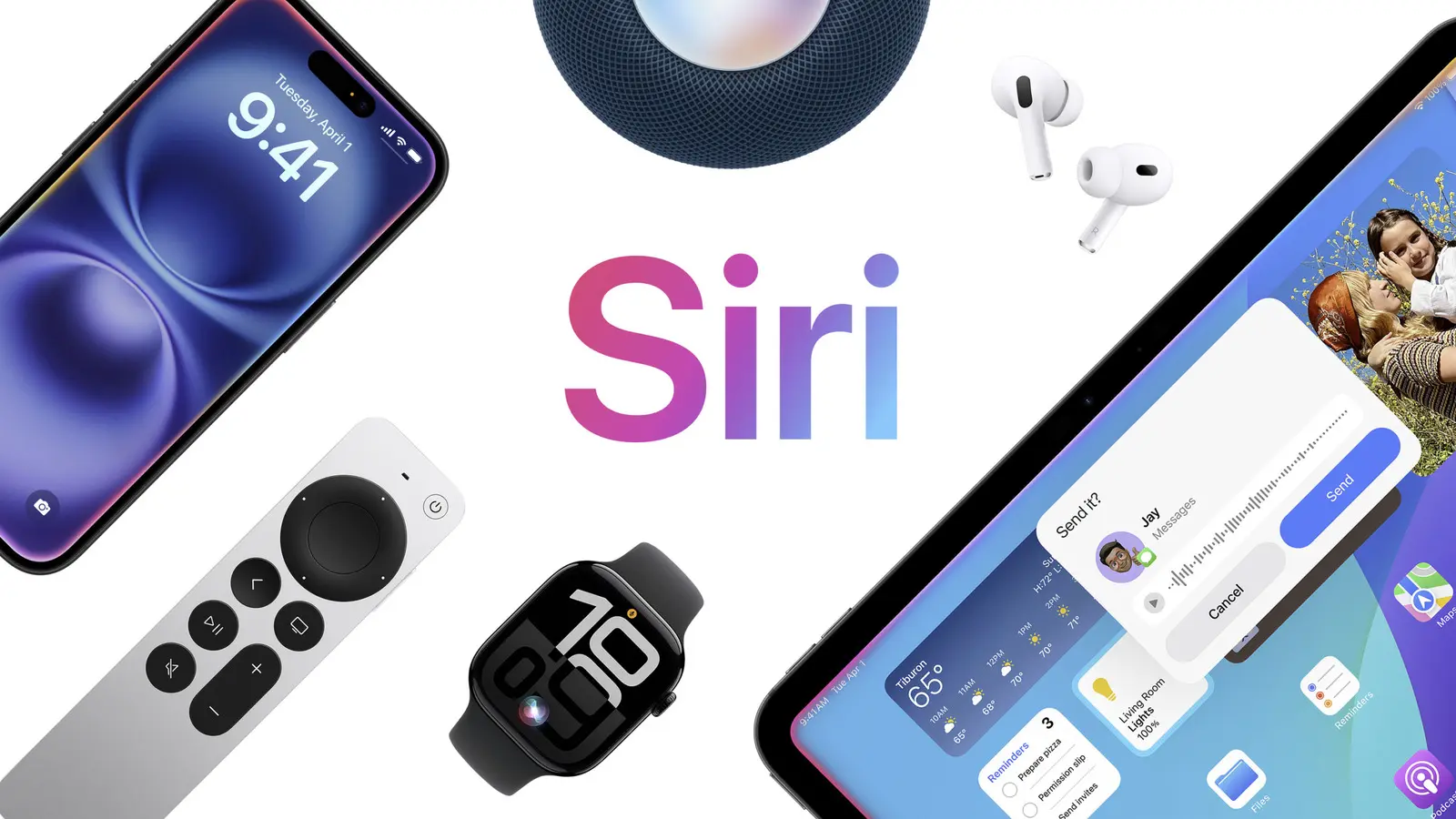
Apple has agreed to pay $250 million to settle a class action lawsuit that accused the company of misleading iPhone buyers in the United States by advertising an AI-powered version of Siri that never materialized on schedule. The settlement, which still requires final approval from a federal judge, will provide financial relief to eligible customers who purchased an iPhone 16 or iPhone 15 Pro expecting the enhanced voice assistant. According to court documents, the lawsuit claimed that Apple knew or should have known that the new Siri would not be ready for release in 2024, yet continued to market it as a headline feature of its latest devices.
The controversy stems from Apple’s Worldwide Developers Conference (WWDC) in June 2024, where the company unveiled Apple Intelligence—a comprehensive suite of artificial intelligence capabilities for iPhone, iPad, and Mac. Central to this announcement was a dramatically upgraded Siri, described as more conversational, context-aware, and deeply integrated into apps and on-device data. Apple executives demonstrated Siri performing tasks such as retrieving specific emails, editing photos based on natural language commands, and even automating complex workflows across multiple applications. The promise was that this new Siri would ship alongside iOS 18 in the fall of 2024, in time for the iPhone 16 launch.
However, as the months passed, Apple slowly released only fragments of Apple Intelligence. Features such as Writing Tools for text summarization and rewriting, Image Playground for AI-generated pictures, and ChatGPT integration via a partnership with OpenAI arrived piecemeal through iOS 18 updates in late 2024 and throughout 2025. The core Siri overhaul—the ability to understand personal context and take action within third-party apps—remained conspicuously absent. Apple did not publicly acknowledge the delay until March 2025, more than five months after the iPhone 16 went on sale. In a quiet internal memo later leaked to the press, the company admitted that engineering challenges had pushed the feature back by at least a year.
The class action lawsuit was filed in the Northern District of California in early 2025 by a group of iPhone buyers who argued that Apple violated consumer protection laws and breached express warranties. The plaintiffs pointed to the company’s marketing campaign, which included television commercials and online ads highlighting the new Siri’s capabilities. After the delay was announced, Apple quietly removed those advertisements from circulation. The lawsuit sought damages for all US residents who purchased an iPhone 16, iPhone 16 Plus, iPhone 16 Pro, iPhone 16 Pro Max, or iPhone 15 Pro between September 2024 and the date of the settlement. The proposed class is estimated to include millions of consumers.
Under the terms of the settlement, Apple will pay $250 million into a fund to be distributed among class members who file valid claims. Each claimant is expected to receive a modest payout, likely in the range of $20 to $50 per device, depending on the total number of participants. Apple does not admit any wrongdoing or liability. The company maintains that its advertising was not misleading because it disclosed that features were subject to change and that Apple Intelligence would roll out over time. Nevertheless, the settlement allows Apple to avoid the risk of a trial and the potential for a larger judgment or injunction.
The delayed Siri has become a significant embarrassment for Apple, which has positioned itself as a leader in on-device AI. Competitors such as Google and Samsung have rapidly integrated generative AI into their assistants and phones, while Apple’s offerings have been fragmented and slow to arrive. Industry analysts note that the postponement may have dampened iPhone 16 sales, especially among early adopters who upgrade for new software features. Apple’s stock price saw a modest dip following the March 2025 announcement, though it has since recovered on strong overall earnings.
To salvage the AI-powered Siri, Apple reportedly struck a deal with Google in late 2025 to license the Gemini large language model. According to sources familiar with the arrangement, Apple will use Gemini to power the advanced conversational abilities of the new Siri, combining it with its own on-device processing for privacy. The partnership allows Apple to bypass years of internal development, but it also raises questions about dependency on a rival’s technology. The new Siri, along with a suite of other AI enhancements, is expected to be included in iOS 27, which is slated for release in the fall of 2026. Apple has not yet confirmed this timeline publicly, but internal roadmaps seen by the press indicate that the company is finally on track to deliver what it promised.
The settlement does not affect ongoing investigations by the Federal Trade Commission or state attorneys general into Apple’s marketing practices for AI features. Consumer advocacy groups have called for stronger regulations on “vaporware” advertising, where companies promote features that are not yet ready. Meanwhile, the case serves as a cautionary tale for the tech industry as a whole, where the race to announce AI capabilities often overshadows the immense technical hurdles involved in deploying them at scale. Apple has declined to comment further on the settlement, referring only to the court filing.
Source: Engadget News